
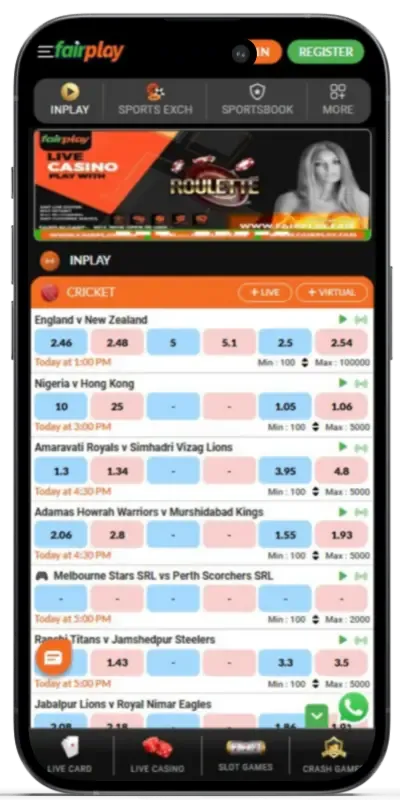
Fairplay App Guide: Mobile Access, Login and Navigation is a practical information page for visitors searching for mobile app access. The purpose of this guide is to explain the account journey in clear language: what the page means, which information belongs at each step, what to check when something does not work, and where a related Fairplay topic becomes more useful. The current interface should always be treated as the source of truth for labels and availability because screens, menus and account requirements can change over time.
Understanding Fairplay App
When a visitor searches for mobile app access, the first question is usually how to reach or understand a supported mobile device. That task is different from registration, payment troubleshooting or a security incident. Keeping those journeys separate makes the information easier to use. A person who already has an account should concentrate on access and verification; a new visitor should read the registration information; and someone checking a transaction should review the payment status before repeating an action.
Search phrases such as Fairplay App, Fairplay Login App, and related Fairplay terms can describe different stages of one account journey. This page therefore uses the primary keyword naturally while linking to the related page only when the subject changes. That approach is useful for readers and avoids repeating the same paragraph simply to increase keyword density.
Before You Start
Check the destination and the account state before entering personal information. If an account already exists, do not create a second account simply because the first login attempt failed. Read the exact message shown on the current screen. A password error, verification prompt, locked-account message and unavailable service can require different next steps.
Keep passwords, one-time verification codes, banking PINs and private recovery information confidential. An account identifier can be useful for support, but authentication secrets should not be copied into public posts or shared with people who offer unofficial assistance. If a screenshot is needed for troubleshooting, remove personal and financial details first.
Desktop and Mobile Access
The same account task can look different on desktop, a mobile browser and an app. Desktop layouts normally expose more navigation at once, while mobile interfaces may move secondary links into a menu. Do not rely on a remembered button position. Instead, identify the page heading and the action label that matches the task. If an app update changes the screen, follow the current labels rather than an old screenshot.
Mobile troubleshooting should start with simple checks: confirm the device has a stable connection, make sure the application or browser is current, close an unresponsive screen and retry only after reading any error message. If the issue follows the account across devices, it is more likely to be an account or verification issue than a screen-layout issue.
Account Login and Verification
Login normally involves an account identifier and authentication information. Verification may add a one-time code or another confirmation step. Enter those details only into the expected account interface. Never disclose a verification code to another person, even if they claim it is needed to “activate” or “unlock” the account.
If a login attempt fails, first check whether the identifier was entered correctly. Next, use the available recovery process rather than repeatedly guessing a password. Repeated failed attempts can create additional account friction. A successful recovery should be followed by a unique password and a review of account-security settings.
Registration and Fairplay ID
Registration creates a new account, while Fairplay Login App may describe the identity used to access an existing account. These concepts should not be mixed. A person who has already registered should normally use the login journey rather than submitting another registration form. When an account identifier is unclear, the dedicated ID guide is a better place to understand the terminology.
During registration, review every field before submitting. Autofill can insert old details on a shared device. Verify the contact information, password and any required confirmation step. Once the account is created, confirm the success message before moving to login. This reduces duplicate registrations and makes later recovery easier.
Payments and Transaction Status
For pages involving payment-related searches, separate account access from the transaction itself. A successful login does not mean a payment has completed, and a pending transaction should not automatically be submitted again. Check the transaction reference, status and amount shown by the current interface before taking another action.
Payment methods can include UPI, bank transfer, Paytm or PhonePe depending on current availability. Availability and limits can change, so the current account screen should be used for live conditions. Never share a UPI PIN, banking password, card security code or one-time banking code with a support contact.
Sports, Casino and Exchange Navigation
Fairplay information can span sports betting, casino games and exchange-style markets. Sports pages may contain pre-match and live markets; casino pages may contain slots, table games and live games; an exchange page may use terms such as back, lay, odds and liability. These are different interfaces and should be read according to the section being used.
For an exchange market, the meaning of an order can depend on whether the user is backing or laying an outcome and on the current available price. Markets can change while an event is live. Always review the displayed odds, stake and potential liability before confirming an action.
Common Problems and Practical Checks
- Login does not work: check the identifier, password and exact error message before attempting recovery.
- Verification is not received: check the registered contact method and wait for the current interface to offer another legitimate verification route.
- Mobile page looks different: use the current menu and labels instead of relying on an older screenshot.
- Transaction appears pending: check its status and reference before repeating the transaction.
- Account details are forgotten: use the available recovery route and avoid sharing credentials with unofficial helpers.
Responsible and Secure Use
Account information pages should help people understand an interface rather than pressure them to take an action. For betting and gaming features, set personal limits, take breaks and do not increase activity to try to recover a previous loss. If you need a break, use any available account controls and seek appropriate support resources.
Security is equally important. Use unique passwords, keep software updated, protect the device with a lock method and avoid entering credentials on unexpected pages. The presence of a familiar logo is not enough to establish that a page is legitimate. Check the destination and context before entering sensitive information.
Related Fairplay Guides
Once the current task is clear, continue to the relevant guide rather than searching through unrelated pages. Use Fairplay Login for existing-account access, Fairplay ID for account identity, Fairplay App for mobile use, Fairplay Payments for transaction terminology, and Fairplay Security for account protection. The site footer also keeps the complete set of concise keyword links available on every page.
Frequently Asked Questions
Is Fairplay App the same as registration?
No. Registration creates an account. Fairplay App refers to the specific access or information task covered by this page.
Can mobile and desktop screens look different?
Yes. Responsive layouts and applications can place the same actions in different positions while keeping the underlying account task the same.
Should I share my password or verification code for support?
No. Authentication secrets should remain private. Use the legitimate recovery or support process without disclosing them.
What should I do when an account action fails?
Read the exact message, identify whether the issue concerns login, verification, payment or the device, and then use the guide that matches that specific issue.